

 Home
HomePAT Testing Records and Labels
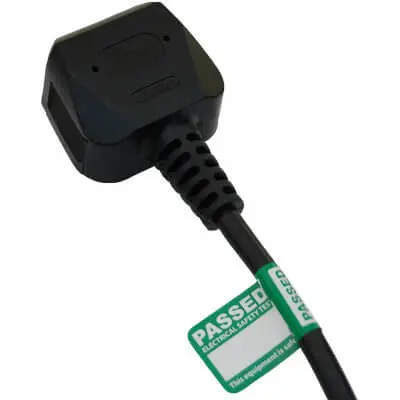
Keeping clear PAT testing records and using suitable labels are important parts of managing electrical safety in the workplace. While the Electricity at Work Regulations 1989 do not specifically state that records must be kept, they are strongly recommended as part of a sensible system of maintenance and risk control.
Good records help duty holders monitor the condition of equipment, identify repeated damage or problem areas, review whether inspection frequencies are appropriate, and demonstrate due diligence if there is ever an accident, complaint or investigation.
This article explains what PAT testing records should include, how labels should be used, and why recording failed items properly is just as important as recording passes.
Why PAT Testing Records Matter
PAT testing is not just about the inspection and tests themselves. The management of the process is equally important. Records provide the evidence that equipment has been included in a maintenance system and that faults have been identified and acted upon.
They also help answer practical questions such as:
- What equipment do we have on site?
- How often is it being inspected and tested?
- Who carried out the work?
- What faults are occurring repeatedly?
- Was a failed item removed from service?
For a wider overview of how records fit into a workplace system, see our guide to managing PAT testing in the workplace.
Equipment Register
A good starting point is an equipment register. This is a list of the electrical equipment covered by your inspection and testing system. It should be kept up to date as equipment is purchased, moved, repaired or disposed of.
The register does not need to be complicated, but it should normally include enough information to identify each item and manage its future inspections.
Typical details include:
- Equipment description
- Make and model
- Asset number or other unique ID
- Serial number where useful
- Location or department
- Date added to the register
- Recommended inspection / test frequency
- Any relevant notes on repairs, replacement or disposal
The frequency should be based on risk assessment, not a fixed annual date for everything. For more on that, see our article on PAT testing frequency.
Inspection and Test Records

Inspection and test records provide evidence that the equipment was inspected and (where appropriate) electrically tested, and that it was considered suitable for continued use at the time of the check. While records are not always a legal requirement, they are an important management tool and a key part of demonstrating due diligence.
Unique identification: Each item of equipment should normally be given a unique identifier so the record can be matched to the correct appliance. In practice this is usually an asset number or test ID shown on the PAT label. This makes it possible to cross-reference the label with the corresponding record, track previous results, and spot repeat damage or recurring faults over time.
At a minimum, inspection and test records should include:
- Equipment description (and where helpful, make/model)
- Unique ID / asset number (to match the label to the record)
- Location (or department/site)
- Date of inspection/test
- Name (or identifiable initials) of the person carrying out the work
- Results of the visual inspection
- Electrical test results and readings (where tests are carried out)
- Outcome (pass/fail) and any notes or limitations
Paper or Electronic Records?

Records can be paper-based or electronic. The important point is not the format, but that the system is reliable, consistent and easy to update. A small organisation may manage perfectly well with a spreadsheet or simple paper files. Larger organisations may benefit from dedicated PAT software or downloadable testers linked to an asset register.
Whichever system is used, it should be easy to:
- identify each item
- find previous results
- record failures and repairs
- review inspection frequencies
- show what action was taken when faults were found
If you’re choosing equipment with record keeping in mind, see our guide to choosing a PAT tester.
Recording Failed Equipment Properly
One of the most important aspects of record keeping is to record equipment as having failed before it is repaired or replaced. This is essential if the duty holder is to understand what is actually happening within the maintenance system.
If damaged equipment is repaired and only the final “pass” is recorded, valuable information is lost. Repeated failures may indicate that:
- the item is being misused
- the environment is too harsh for that type of equipment
- staff need better user training
- inspection frequencies are too long
- a more robust type of equipment is needed
Recording the failure before repair makes it much easier to review patterns and improve the risk assessment.
Calibration and Test Instrument Records
If PAT testing is being carried out in-house, records should also be kept for the PAT tester itself. This includes calibration certificates and any regular accuracy checks carried out between calibrations.
For more detail, see our guide to PAT tester calibration.
Appliance Labels
Labels are a practical way to show the safety status of equipment and help link an item to its record. They are useful, but they should support the record system rather than replace it.

A typical pass label may include:
- an asset number or unique reference
- the date of inspection / test
- the initials or identifier of the inspector
- a simple indication that the item has been checked
Some PAT test instruments are also compatible with label printers, allowing the asset number and test details to be printed directly onto the label. This can work well in some systems, particularly where barcodes or printed asset IDs are needed, but there are also drawbacks such as extra cost, consumables, durability of printed labels, and the time taken on site. We look at the pros and cons in more detail in our article on PAT label printers.
Should the Next Test Date Be on the Label?
In general, the re-test date should not be marked on the label. The reason is simple: the next inspection date should be determined by the duty holder using a risk-based system, not by a fixed date printed on the equipment.
Putting a re-test date on every item can encourage the mistaken idea that all equipment must be retested at regular blanket intervals, regardless of risk. In practice, different types of equipment and different environments often justify very different intervals.
The more useful approach is for the label to identify the item and show that it has been inspected, while the actual review date is controlled through the equipment register or maintenance records.
Fail Labels and Unsafe Equipment
Labels become even more important when equipment fails. Any item found to be unsafe should be removed from service immediately and clearly labelled to prevent accidental reuse.

Typical wording might include:
- Failed
- Unsafe
- Danger – Do Not Use
The label should be clear and obvious. A failed item should not be left in normal circulation where it could be plugged back in by mistake.
Durability and Label Placement
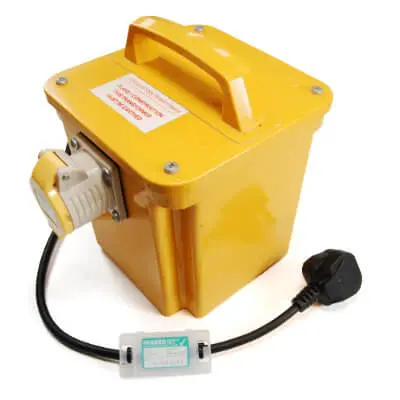
Labels should be suitable for the environment in which the equipment is used. In offices, a standard label may be perfectly adequate. In workshops, kitchens, construction sites or industrial settings, labels may need to withstand moisture, dirt, oils, abrasion or cleaning chemicals.
They should be placed where they can be seen easily without creating a nuisance or peeling off straight away. The aim is that users can quickly confirm the status of the equipment during routine checks.
Conclusion
Good PAT testing records and suitable labels are not just paperwork. They are part of the control system that helps duty holders manage electrical safety properly. A clear equipment register, meaningful inspection and test records, proper recording of failures, and durable labels all help support a safe and defensible maintenance system.
If you are setting up or reviewing your own system, see our wider guide to managing PAT testing in the workplace. If you need practical training in inspection, testing and record keeping, view our PAT testing courses.