

 Home
HomeElectric Shock
An electric shock can kill or seriously injure and is one of the hazards that electrical safety legislation is intended to protect against. Understanding how electric shock occurs is fundamental to safe inspection and testing procedures.
Definition of an Electric Shock
“A dangerous physiological effect resulting from the passing of an electrical current through a human body or livestock.”
The severity of an electric shock largely depends on the amount of energy delivered to the body. Currents in the tens of milliamps can be fatal if not interrupted quickly.

- AC-1: Imperceptible
- AC-2: Perceptible but no muscle reaction
- AC-3: Muscle contraction with reversible effects
- AC-4: Possible irreversible effects
- AC-4.1: Up to 5% probability of ventricular fibrillation
- AC-4.2: 5-50% probability of fibrillation
- AC-4.3: Over 50% probability of fibrillation
Voltage
Voltage does not give a good indication of the likely severity of an electric shock as current flow depends on the resistance of the human body. The majority of the body's resistance comes from the skin and this can range from 1,000 Ω when wet to 100,000 Ω when dry.
Exposure to voltages less than 50V a.c. is generally considered low risk in electrical safety terms. An electric shock at 50V a.c. is unlikely to be fatal, however it can still be painful and may cause a related accident from a reaction to the shock.
Voltages greater than 450V a.c. are especially dangerous. At this point the resistance of the skin can break down which significantly reduces the body's overall resistance thereby causing a substantial increase in current.
Current Path
The severity of an electric shock also depends on the path the current takes through the body. Many serious electric shocks occur when the current flows from hand to hand, because the current path is through or near the heart. Hand-held appliances present a particular risk as the appliance is gripped in one hand and it is possible to make contact with an earthed surface with the other.
Outdoor use can increase the risk of a serious electric shock because the user may be in better contact with earth, particularly when standing on damp ground, wet grass or concrete, or when touching metalwork. Moisture can also reduce the resistance of the skin, allowing a higher current to flow if contact is made with a live part.
Let-Go Threshold
If the source of the current is held in the hand, it may cause muscles to contract making the person unable to let go voluntarily. The ‘let-go’ threshold varies significantly, but currents around the 10–20 mA range can cause painful muscle contraction and make it difficult to release a conductor.
Electrical Burns
Current flow through the body can also burn body tissue. Electrical burns differ from thermal burns as they are usually internal, below the surface of the skin. This is especially severe when vital internal organs are damaged.
Electrical Flashover (Arc Flash)
A large proportion of injuries sustained from electrical accidents are due to flashover rather than current flow through the body. Electrical flashover is most often caused by accidentally creating a short circuit between two conductors, such as dropping a tool on a live bus bar. Being in the proximity of a flashover is extremely dangerous. The temperature of an arc can reach around 19,000 °C, resulting in severe burn injuries. Hearing can be damaged from the resulting shock wave and the high intensity ultraviolet radiation can damage eyesight.
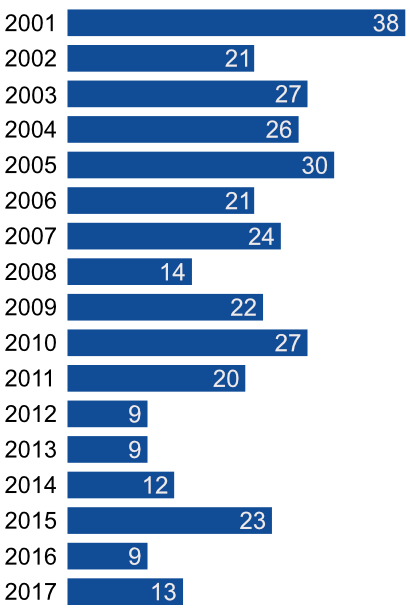
Number of deaths
ONS data for 2001–2017 shows there were 345 deaths registered in England where the underlying cause was exposure to electric current.
Understanding the physiological effects of electric shock is an essential part of electrical safety training. For organisations responsible for workplace electrical safety, structured inspection procedures and competent testing are key control measures. You can read more about implementing safe inspection processes in our guide to managing PAT testing.
Frequently Asked Questions About Electric Shock
What current is dangerous to the human body?
Currents in the tens of milliamps (mA) can cause serious harm. Around 30mA flowing for a sufficient duration can be fatal if not interrupted quickly.
Is 50 volts dangerous?
Voltages below 50V AC are generally considered lower risk, but actual danger depends on body resistance, environmental conditions and current path.
What is the let-go threshold?
The let-go threshold is the current at which involuntary muscle contraction prevents a person from releasing a live conductor. This can occur at around 10–20mA AC.
Why does current path matter?
Current flowing from hand to hand or hand to foot may pass through the heart, increasing the risk of ventricular fibrillation.
What is arc flash?
Arc flash is a high-energy electrical discharge that can occur when a short circuit forms between conductors. It can generate extremely high temperatures, intense light, pressure waves and molten metal, causing severe burn injuries without current necessarily passing through the body.